Plant manager
What they own
Output, cost, safety and every shift in the building
Why it is hard to hire in Idaho
Few people have run a food plant, and most who have are not looking


RNG Group recruits permanent plant, operations, quality, supply chain, sales and leadership professionals for food and beverage producers across Idaho and the Mountain West. Food processing is one of the industries that defines this state, and the people who run those plants are some of the hardest to find.
We are a Boise direct-hire firm, founded in 2015 and women-owned. We do not recruit line workers, seasonal crews or production staff, and we do not run temp staffing. Every search is for a salaried role you intend someone to stay in.
Book a call
We recruit the professional and leadership roles that keep a food plant safe, compliant and profitable. Line, seasonal and hourly production hiring is a different business, and we are not it.
Our searches usually cover:
For VP of operations, COO and general manager searches, see our executive search service.
What they own
Output, cost, safety and every shift in the building
Why it is hard to hire in Idaho
Few people have run a food plant, and most who have are not looking
What they own
HACCP plans, SQF or BRC audits and regulatory inspections
Why it is hard to hire in Idaho
The certifications and audit history needed are held by a small regional pool
What they own
Line efficiency, changeovers and new equipment
Why it is hard to hire in Idaho
Engineers are in demand across every sector, not only food
What they own
New products, formulations and shelf life
Why it is hard to hire in Idaho
Specialists are few, and many live near national food hubs outside Idaho
What they own
Raw materials, cold chain, inventory and distribution
Why it is hard to hire in Idaho
Perishable supply chains need people who have managed them under pressure
What they own
Retail and food service accounts and revenue
Why it is hard to hire in Idaho
Buyer relationships take years to build and travel with the person
Idaho's food economy rests on a large agricultural base, and more of it is now processed in the state. More processing means more plants competing for the same quality, operations and supply chain leaders.
Agriculture and its linked industries drive 17.2 percent of Idaho's economic output, with $44.5 billion in annual sales and about 137,900 jobs, according to 2024 data from the University of Idaho (University of Idaho, 2026). The same report found that a larger share of Idaho's food commodities is now processed within the state rather than shipped out raw (University of Idaho, 2026).
Food processing sits inside Idaho's manufacturing sector, which counted 77,700 jobs in August 2026, up from 75,100 in March, seasonally adjusted (BLS, 2026). In our searches, many of those plants sit outside the Treasure Valley, which makes relocation part of the conversation.
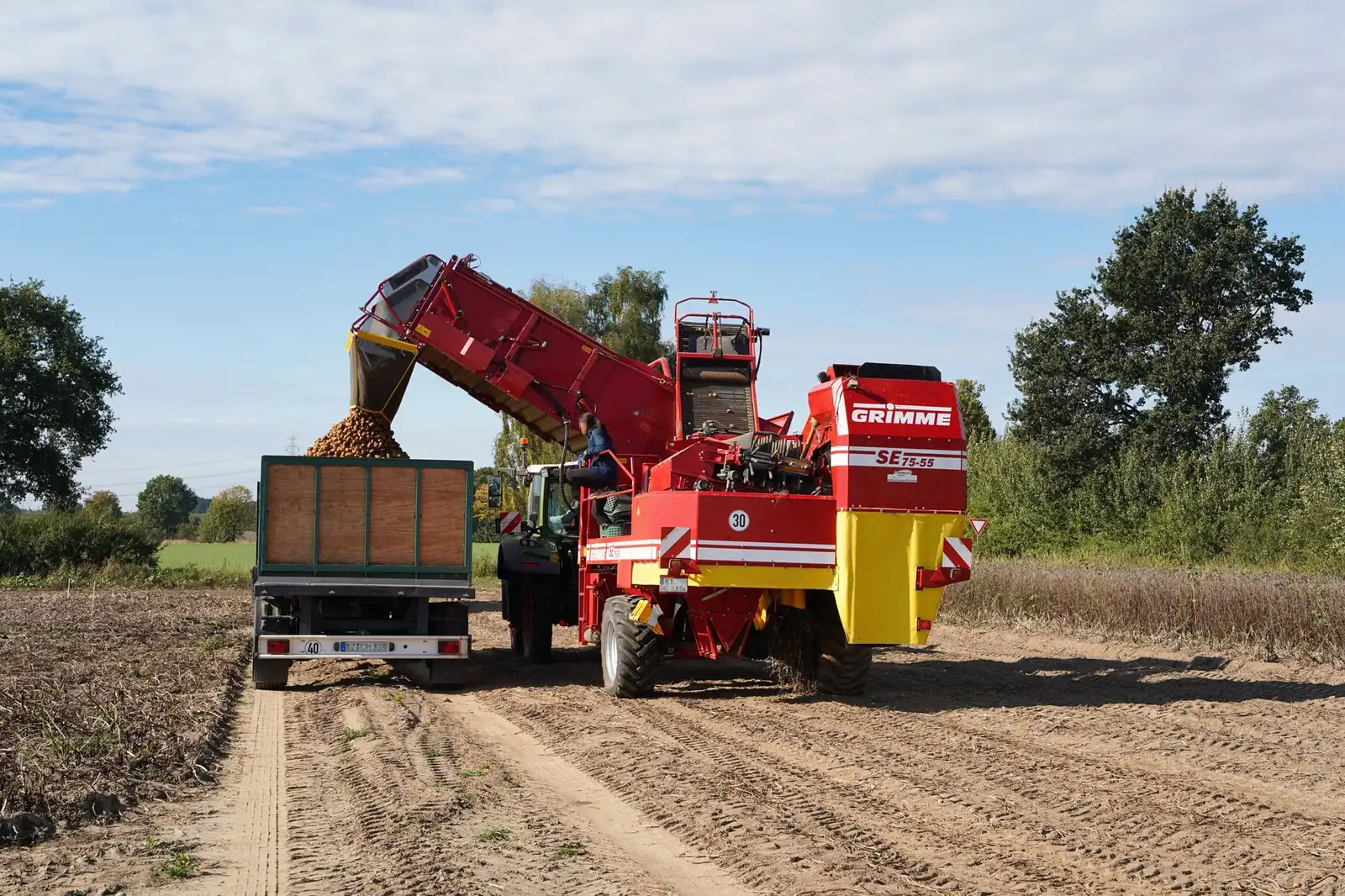
More of the state's crops are now processed in the state, which means more plants to lead.
Food and beverage hiring has a hard constraint most sectors do not. A quality or safety lead needs specific certifications and audit experience, and in a regional market the number of people who hold them is small.
Widening the search geographically is often the only realistic answer. That makes the relocation case, and the speed of your process, decisive.
The support roles are under pressure too. The Bureau of Labor Statistics projects logistician jobs to grow 18 percent from 2025 to 2035, with a median wage of $82,320 (BLS OOH, 2026). Agricultural and food scientists, the pool R&D leaders come from, are projected to have only about 2,700 openings a year nationally (BLS OOH, 2026).
Pay context matters when you set a range. Boise wages run about 7.5 percent below the US mean overall (BLS OEWS, 2026), and the candidate you want may be comparing your offer with one from a national producer.
We scope the role against your plant, products and certifications, approach the people who are not applying, and bring you a short list you can act on. We tell you early if the range or the location will make the search harder.
Step 1
Scope the role. We agree the certifications, audit history, shift realities and a competitive range before anything is posted.
Step 2
Map and approach. We identify food safety, plant, supply chain and commercial leaders across Idaho and the Mountain West, most of them employed, and make the case directly.
Step 3
Screen for fit. We check certifications and audit experience and test how each candidate leads a plant team.
Step 4
Shortlist and interview. You meet a small number of people worth your time, with honest notes on each.
Step 5
Offer and close. We help you move from final interview to offer quickly and stay in touch through relocation and the start date.
If you are weighing permanent placement against temporary cover, our guide to what direct hire means sets out the difference, and how to hire employees in Boise covers the local process. For non-food plants, see manufacturing recruiting, or compare every sector on our industries page.
No, we recruit permanent salaried and professional roles only. For hourly or seasonal production hiring you need a staffing firm, and we will say so at the first conversation.
Yes, we recruit for plants across Idaho and the Mountain West, including rural locations. We help you build a relocation case that lands with candidates who were not planning to move.
We run them discreetly and without advertising the role. If you are replacing someone still in post, tell us at the outset and we will approach candidates accordingly.
Our fee is paid by the employer, as a percentage of first-year salary or a flat fee agreed before the search starts. Candidates never pay anything.
Tell us about the role, the plant and the timeline, and we will tell you honestly whether we are the right partner for it.
Book a call