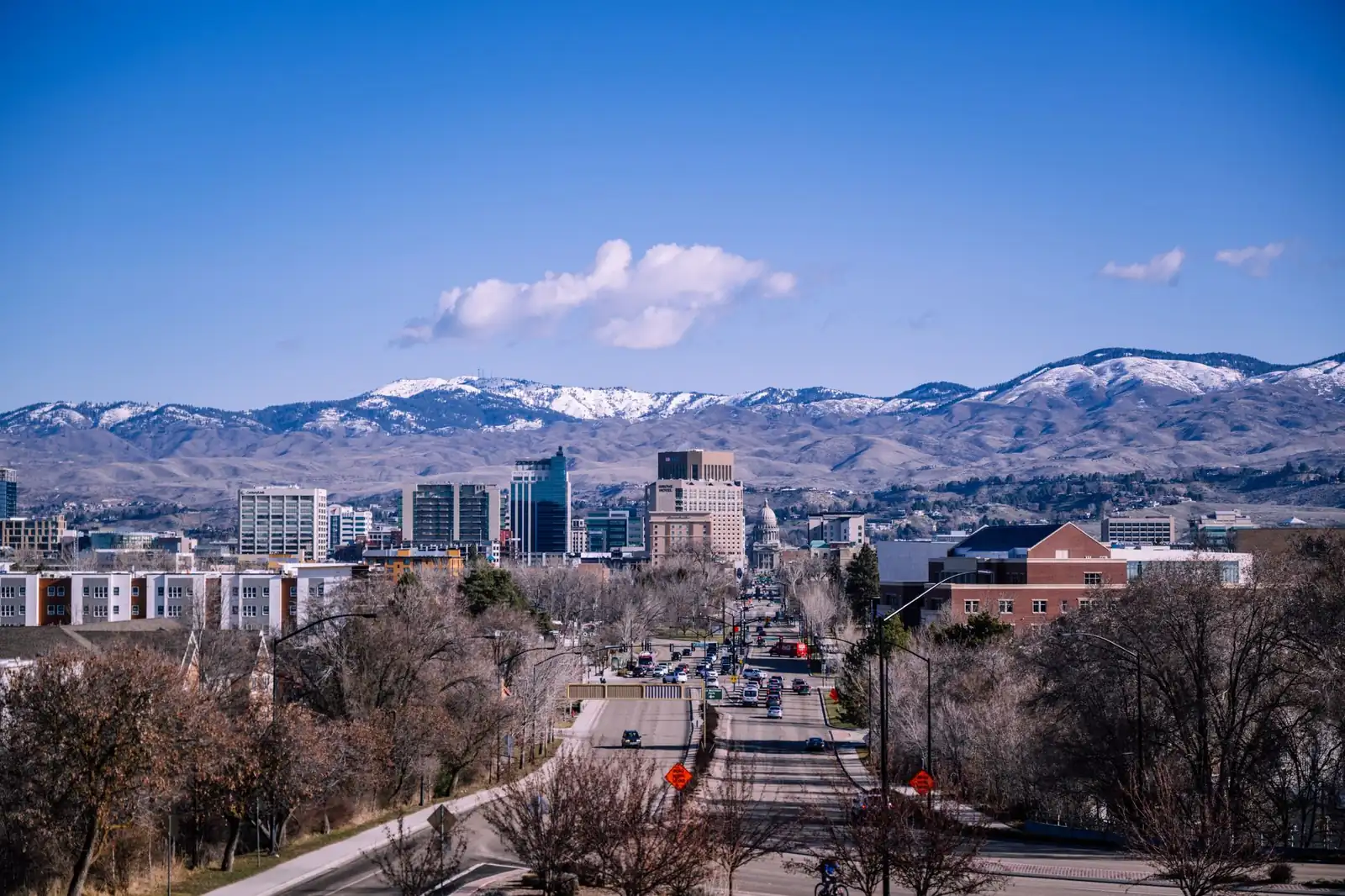
Why Boise Construction Recruiting Requires Local Market Knowledge


Construction hiring is rarely simple.
On paper, a role may look straightforward. A company needs a superintendent, project manager, estimator, field engineer, or someone with a strong skilled trades background. The title is clear, the need is real, and the timeline feels urgent.
Then the search begins.
That is when many employers realize that construction hiring is not just about finding someone with the right job title. It is about finding someone who understands the pace of the work, fits the team, communicates well on projects, and can perform in the local market. That is exactly why Boise construction recruiting requires more than a generic hiring approach.
The right recruiting process needs local knowledge, strong industry relationships, and a real understanding of what construction employers in Boise are facing right now.
Construction Hiring in Boise Has Its Own Challenges
Boise continues to grow, and that growth affects construction hiring in obvious ways.
As more residential, commercial, infrastructure, and development work moves forward, companies compete for many of the same people. Experienced candidates often have multiple options. Skilled workers may already be tied to a project. Some professionals are open to moving, but only if the opportunity truly makes sense.
That creates pressure for employers.
A delayed hire can affect timelines, increase workloads for current staff, and slow project momentum. In construction, one missing person can have a ripple effect across teams, subcontractors, and deadlines.
This is why construction hiring Boise employers deal with often feels more urgent than hiring in many other industries.
The need is immediate, but the wrong hire can create expensive problems.

Why Local Knowledge Matters So Much
Construction hiring is deeply tied to place.
The work, the people, the project flow, the labor environment, and even candidate expectations can shift from one market to another. A recruiter who understands Boise can speak more clearly to what local employers need and what local candidates are actually looking for.
That kind of knowledge matters at every stage.
It affects how the role is positioned. It shapes compensation conversations. It helps identify whether a candidate is a real fit for the area, the type of work, and the pace of the company.
Local recruiting support also helps employers avoid a common mistake.
A candidate may look great on paper but still struggle in a Boise-based construction environment if they are not aligned with the local pace, project mix, or business culture. That is one reason working with Boise recruiting specialists can create stronger hiring outcomes.
The local lens changes the quality of the search.
Construction Roles Require More Than Basic Screening
Not every hiring process goes deep enough.
In construction, that becomes a problem quickly.
A resume can show years of experience, but it does not always tell you how someone performs under pressure, how they communicate in the field, or how they handle timelines, teams, and shifting jobsite demands. Titles alone do not reveal everything.
That is why Boise construction recruiting needs more careful screening than many employers expect.
A strong search looks beyond surface qualifications. It considers leadership style, reliability, project exposure, decision-making, communication, and whether the candidate’s background actually matches the company’s kind of work.
This is especially important when hiring for:
project managers
superintendents
estimators
field engineers
operations leaders
skilled trade professionals
Each of these roles can directly influence productivity, safety, culture, and client confidence.
The Best Construction Candidates Are Not Always Applying
This is one of the biggest reasons generic job advertising often falls short.
Many of the strongest construction candidates are already working. They are on active projects, connected to trusted employers, and not spending much time scrolling through listings. If they move, it is usually because the opportunity feels right, not because they happened to see a posting.
That is why targeted outreach matters.
A better recruiting process includes conversations with people who may not be actively looking but are still open to the right next step. This kind of relationship-driven approach is a major part of effective skilled trades recruiting and professional construction search work.
Employers who rely only on incoming applicants often miss the people they most want to hire.
The strongest talent is often found through relationships, not waiting.
Boise Construction Employers Need Speed Without Guesswork
Construction moves fast.
Hiring often needs to move fast too.
But speed without judgment is risky. When a company feels pressure to fill a role quickly, it can end up hiring someone who looks close enough rather than someone who is actually right for the job. That may solve the short-term issue, but it often creates a larger problem later.
Poor fit in construction is costly.
It can affect schedules, rework, team morale, client trust, and site communication. In some cases, one wrong hire can slow down an entire operation.
That is why better recruiting support is not only about moving quickly. It is about helping employers move quickly with more clarity.
RNG Group’s messaging around Talent Acquisition reflects this kind of direct-hire, fit-focused hiring approach, which is especially important in industries where the wrong hire creates real operational strain.
Skilled Trades Recruiting Is Different From General Hiring
Some hiring methods work fine for office-based roles but break down in the trades.
That is because trade hiring is shaped by hands-on experience, work ethic, scheduling realities, site expectations, and practical fit. Employers often need people who can step in and contribute without a long ramp-up period.
That makes skilled trades recruiting more nuanced than it may appear.
The recruiter or hiring partner needs to understand what the work actually looks like. They need to know the difference between titles, responsibilities, and project demands. They also need to understand how candidates think about stability, pay, commute, leadership, and long-term opportunity.
When that understanding is missing, the shortlist tends to look good on paper but weak in practice.
That is where industry-specific insight becomes valuable.

Project Management Recruitment Needs a Stronger Filter
Construction project managers carry a lot of responsibility.
They are not only managing tasks. They are balancing budgets, timelines, people, subcontractors, communication, and execution. The wrong project manager can create confusion very quickly, especially in growth-stage companies where leadership already has limited time.
This is why project management recruitment in construction should never feel rushed.
A company does not just need someone who has managed projects before. It needs someone who can lead within that company’s structure, communicate the right way, and handle the specific pace of its work.
That level of fit takes more than checking certifications or years of experience.
It requires strong conversations, deeper evaluation, and a clear understanding of what success looks like beyond the resume.
Culture Fit Matters on Construction Teams Too
Some employers think culture fit matters more in office settings than in construction.
That is not true.
Construction teams depend heavily on trust, communication, accountability, and consistency. People need to know who they can rely on. They need to know how decisions are made and whether someone will show up with the right mindset for the work.
A person can have technical ability and still be a poor fit for the team.
That mismatch often shows up in communication problems, leadership tension, poor collaboration, or turnover not long after the hire.
RNG Group makes culture-first recruiting a visible part of its approach across the site, including its About RNG and Markets We Serve pages. That philosophy matters in construction just as much as anywhere else.
When team fit is strong, projects usually run more smoothly.
Boise Construction Talent Is Competitive
Good people in construction do not stay available for long.
That is true in most markets, but especially true in active regions where projects keep moving and experienced professionals are always in demand. Employers that wait too long, move too slowly, or stay vague in the process often lose strong candidates before the search fully gets going.
That is why clear communication and local outreach matter so much in Boise construction talent searches.
Candidates want to know what the company is building, how the team operates, what the opportunity offers, and whether leadership seems organized. The more important the role, the more closely candidates evaluate those details.
Strong recruiting helps sharpen that message and keep the process moving.
That can make a real difference in whether the right person says yes.
Construction Recruiting Should Support Long-Term Growth
A lot of hiring problems come from thinking too short term.
A company feels pressure, fills the role quickly, and hopes things work out. Sometimes they do. Often they do not. Then the business ends up back in the market, trying to replace someone while also dealing with the cost of a weak hire.
Construction companies feel that cost fast.
A more effective recruiting process looks beyond immediate urgency and focuses on long-term stability. It asks whether the person can grow with the company, support the team well, and contribute to project success over time.
That kind of thinking helps employers build a stronger team, not just cover the next few months.
Final Thoughts
Construction hiring in Boise demands more than broad recruiting tactics.
It requires local understanding, industry awareness, stronger candidate relationships, and a real feel for what makes someone successful in the region. That is why Boise construction recruiting works best when the process is shaped by market knowledge instead of guesswork.
For employers trying to build reliable teams, the right hire is not just someone with experience.
It is someone who fits the work, the people, and the pace of the business.
When local knowledge is part of the search, companies are far more likely to make hires that support both current projects and long-term growth.
Filed under: Recruiting