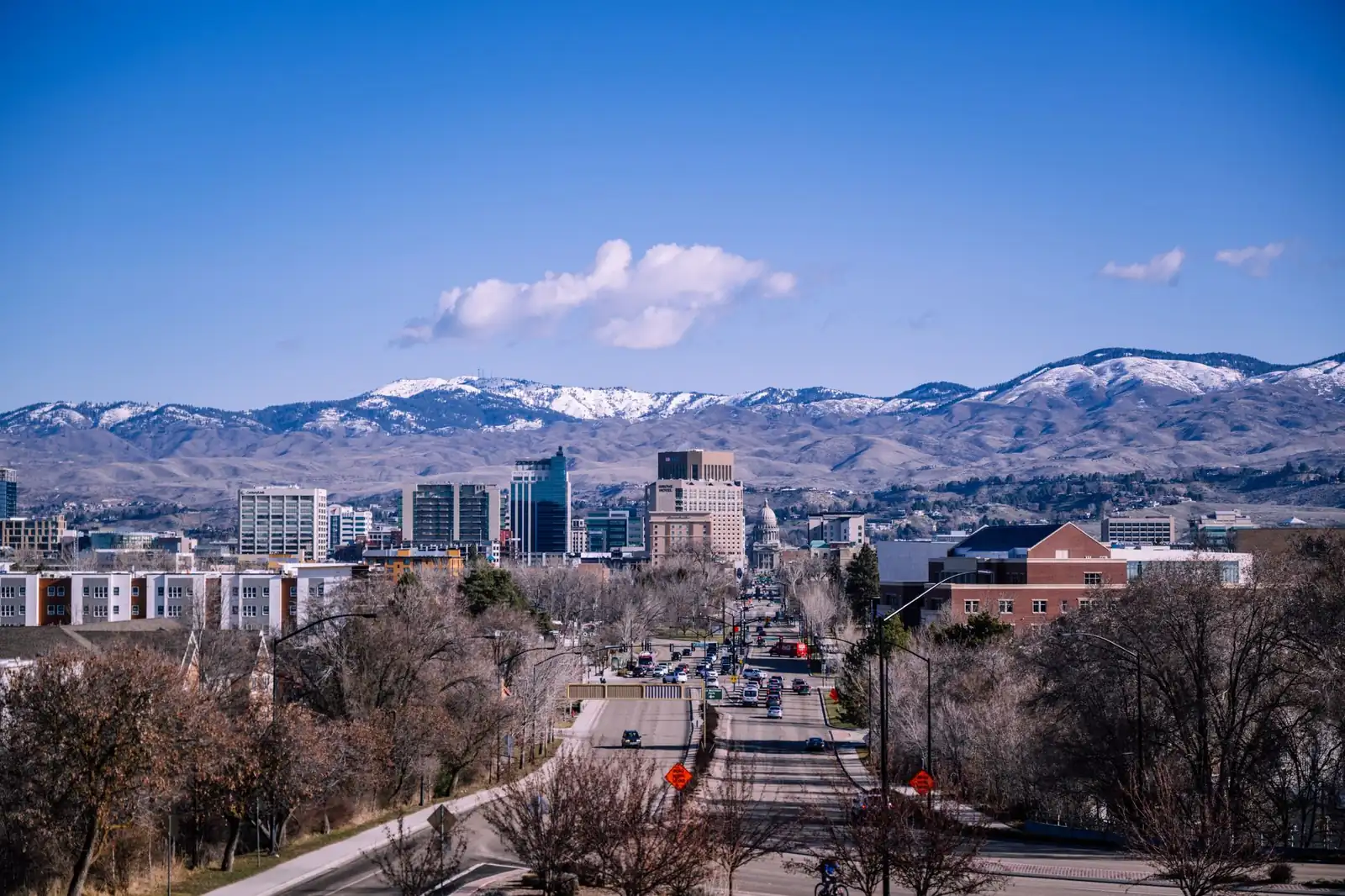
Boise Construction Staffing: How to Build Reliable Project Teams


Reliable project teams do not happen by accident.
In construction, every hire affects timelines, communication, productivity, and how smoothly work moves from one phase to the next. When the right people are in place, projects stay organized and teams stay steady. When the wrong people are hired, even strong operations can start feeling strain.
That is why Boise construction staffing matters so much for companies that want consistency.
The goal is not only to fill roles. It is to build teams that can handle pressure, work well together, and support long-term growth across projects.
Construction Teams Need More Than Headcount
A lot of hiring problems begin when employers focus only on getting a body into a role.
That approach may solve an immediate gap, but it does not always solve the real issue. Construction teams need people who can actually contribute in the field, communicate clearly, and match the pace of the work.
A company may have enough people on paper and still struggle on the ground.
That usually happens when the team lacks the right mix of leadership, trade experience, accountability, and fit. Strong Boise construction staffing is about building that mix with more intention.
Reliable teams are built role by role.

Why Reliability Matters So Much in Construction
In some industries, a weak hire creates inconvenience.
In construction, it can create project delays.
If one key person underperforms, communication can suffer, timelines can slip, and the rest of the team often ends up carrying extra weight. That pressure adds up quickly, especially on active jobsites where decisions need to happen fast and everyone depends on each other.
This is one reason employers put so much value on dependable people.
The best teams are not just technically capable. They are consistent. They show up, communicate well, and can be trusted to do their part under pressure.
That kind of reliability is what separates short-term staffing from strong team building.
Boise Construction Hiring Is Competitive
Good construction talent does not stay available for long.
Boise continues to be a major focus for RNG, and the company describes Boise as its home base while also highlighting direct recruiting support in architecture, engineering, and construction across the Northwest.
That matters because active markets create more competition.
When strong candidates have options, employers need a better process to attract them, evaluate them, and move quickly enough to bring them on board. Waiting too long or relying on a weak process often means losing solid people before the search really gets going.
Strong Project Teams Start With Better Role Clarity
One of the most overlooked parts of hiring is role definition.
A company may know it needs help, but not be fully aligned on what the role actually requires. One leader may want technical strength. Another may care most about leadership. Someone else may be focused on speed. When that lack of clarity carries into the search, the results are usually mixed.
Better staffing starts by answering a few important questions.
What will this person actually own?
Who will they work with every day?
What kind of jobsite or project environment are they stepping into?
What skills are essential, and what qualities make someone a real fit?
The clearer the company is at the beginning, the easier it becomes to build a dependable team.
Trades Staffing Needs a More Practical Approach
Trade hiring often looks simple from the outside.
But anyone in construction knows it is not.
When companies need field talent, they are not just looking for experience. They are looking for reliability, work ethic, safety awareness, and someone who can function well within the pace of the team. That is why trades staffing Boise should always go beyond checking titles and years on a resume.
A practical hiring approach pays attention to how someone works, not just where they have worked.
That matters because the strongest field teams depend on trust. People need to know the person next to them can do the job, stay accountable, and keep moving when things get busy.
Better Staffing Helps Reduce Jobsite Friction
A weak hire does not always fail loudly.
Sometimes the warning signs show up in smaller ways first.
Communication becomes inconsistent. Follow-through starts slipping. Other team members begin compensating for what is missing. Leaders spend more time correcting problems instead of focusing on progress.
That kind of friction slows everything down.
Strong jobsite hiring support helps reduce those problems by improving the quality of the search before someone is hired. When the staffing process is more thoughtful, employers are far more likely to build teams that work together smoothly once the person is in the role.
In construction, avoiding friction is almost as important as adding skill.
Local Knowledge Improves Construction Staffing
Construction hiring is always shaped by the local market.
RNG states that it has deep connections across Boise and the Northwest, emphasizes local talent expertise, and says it only handles full-time, direct-hire placements rather than temp or temp-to-hire roles.
That kind of local awareness matters because candidate expectations are not identical everywhere.
In Boise, employers need to understand the market, the competition for talent, and how to position opportunities in a way that actually connects with the right people. A local process usually creates better conversations and a more relevant candidate pool.
That is one reason companies can benefit from working with Boise recruiting support when construction hiring becomes difficult.
Long-Term Team Building Requires More Than Speed
Speed is important in construction.
No one wants a key role sitting open while projects keep moving.
Still, speed by itself is not enough. Fast hiring without proper screening often creates a bigger problem later. A company may fill the opening, but if the fit is weak, the team ends up paying for that decision in productivity, turnover, and extra management time.
That is why reliable team building depends on balance.
The process has to move quickly enough to stay competitive, but carefully enough to protect quality. Strong Boise construction staffing finds that balance by focusing on fit, communication, and realistic expectations from the start.
The best hire is not always the fastest one.
It is the one that holds up.
Construction Workforce Planning Should Be Ongoing
A lot of employers hire only when the pressure becomes obvious.
By then, the team is already stretched, and the role feels urgent.
A better approach is to treat construction workforce planning as an ongoing business function. That means looking ahead at upcoming projects, identifying where the team may need support, and thinking about hiring before the pressure becomes severe.
Planning does not eliminate every challenge.
But it does help companies avoid constant reactive hiring, which is where many bad decisions happen. Employers that think ahead usually build stronger teams because they have more time to define the role well and run a better search.
Reliable staffing starts before the opening becomes painful.
Team Fit Matters on Construction Projects
A candidate can have the right background and still be the wrong fit.
That mismatch often shows up through communication problems, leadership tension, or a working style that does not align with how the team operates. On a construction project, those issues become visible quickly because teams rely so heavily on coordination and trust.
RNG repeatedly describes its process as relationship-focused, culture-first, and human-led, with an emphasis on candidates who fit and stick.
That mindset matters in construction because reliable teams are not built on qualifications alone.
They are built on fit, accountability, and shared standards.
Why Full-Time Focus Can Strengthen Project Teams
Some employers need flexible labor help.
Others are trying to build stable, long-term teams that grow with the business.
RNG says it works exclusively on full-time, direct-hire positions and presents qualified candidates for most clients within one to two weeks, with many searches landing in a four-to-eight-week overall process depending on complexity and market conditions.
For companies building reliable project teams, that kind of full-time focus can be valuable.
It shifts the search toward people who are looking for long-term opportunity rather than quick movement. That usually improves buy-in, retention, and team consistency over time.
Better Staffing Reduces Costly Hiring Mistakes
Every construction company feels the cost of a bad hire.
Sometimes it shows up as lost time. Sometimes it shows up as lower morale, project disruption, or repeated hiring. Either way, it usually costs more than expected.
That is why better staffing is not just about convenience.
It is about protecting the business.
A stronger hiring process helps employers avoid preventable mistakes and build teams that can hold steady through growth, deadlines, and change. Over time, that creates a more dependable workforce and a healthier operation.
Final Thoughts
Reliable project teams are built through better hiring decisions.
For employers focused on Boise construction staffing, that means looking beyond immediate coverage and paying attention to role clarity, local market knowledge, field fit, and long-term team stability. When the process is stronger, the results usually are too.
Construction work depends on people who can perform, communicate, and stay steady when things get demanding.
When companies build teams with that in mind, projects run better and growth becomes a lot easier to sustain.
Filed under: Recruiting